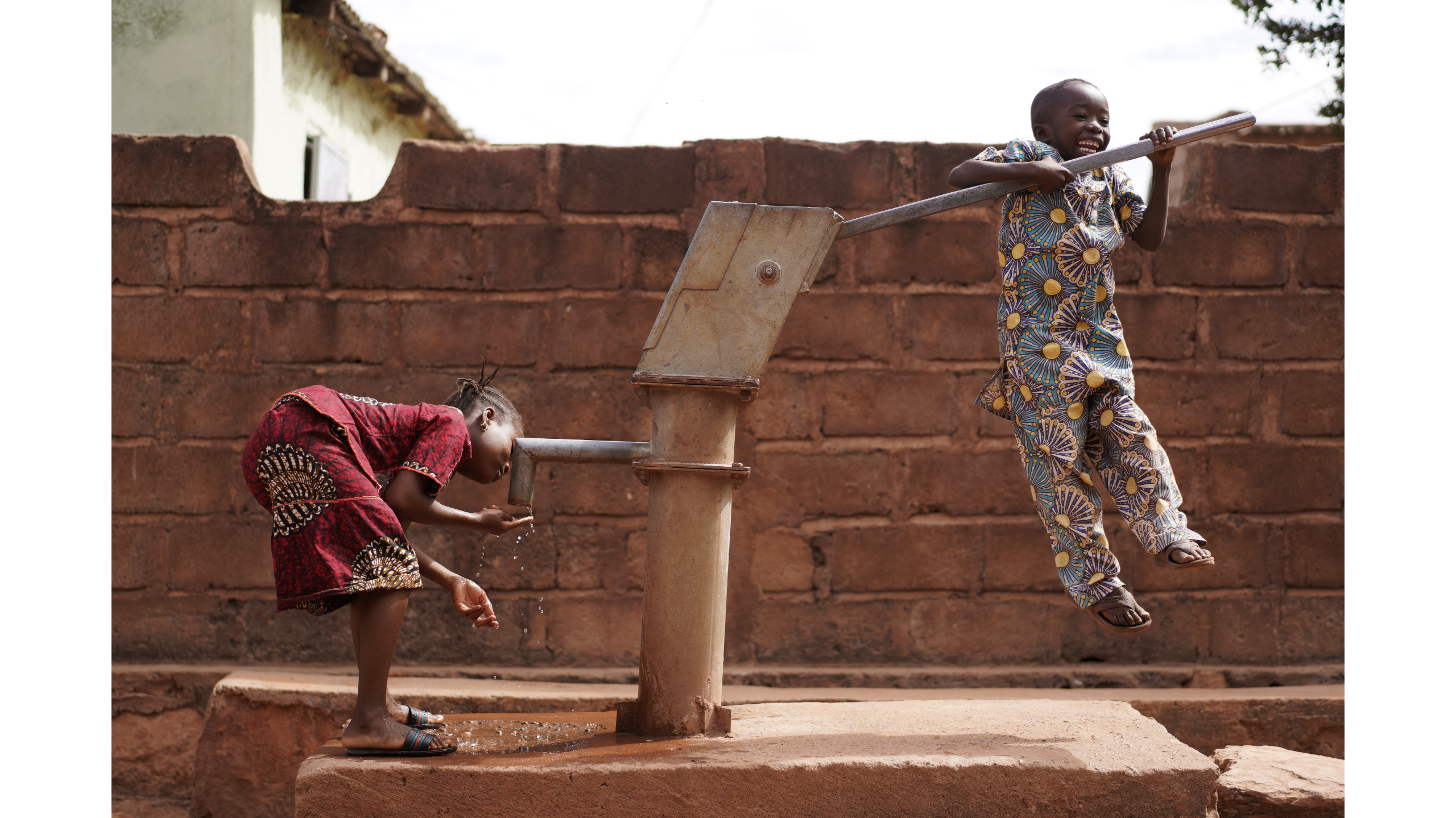
More than 1,000 children under five years old die every single day from diseases directly linked to unsafe water, inadequate sanitation, and poor hygiene practices. These deaths represent one of the most preventable health crises facing our world today. The global burden reaches 1.4 million deaths annually, with nearly 40% of these tragic losses concentrated in just ten African countries.
The magnitude of this crisis extends far beyond individual families. Entire communities suffer as contaminated water sources spread disease through households, schools, and healthcare facilities. Charities and NGOs working in the region say that these deaths occur despite the availability of proven solutions. The tragedy lies not in the complexity of the problem, but in the gap between what we know works and what gets implemented in vulnerable communities worldwide.
Waterborne Diseases Kill More Children Than War
The devastating impact of contaminated water surpasses even the horrors of armed conflict in many regions. Children under five face more than 20 times greater risk of death from illnesses linked to unsafe water and poor sanitation than from violence in war-torn countries. This sobering comparison highlights how fundamental water security affects human survival.
About 88% of Diarrhea-Associated Deaths Are Attributable to Unsafe Water, Inadequate Sanitation, and Insufficient Hygiene
Diarrheal diseases represent the third leading cause of death among children under five globally. Research confirms that 88% of these deaths stem directly from WASH (Water, Sanitation, and Hygiene) issues rather than other factors. The connection between contaminated water and deadly diarrhea creates a cycle where communities with the least access to clean water face the highest mortality rates.
Contaminated water sources harbor dangerous pathogens including cholera, typhoid, and E. coli bacteria. When children consume this water or when families use it for food preparation, these microorganisms attack young immune systems that lack the strength to fight back effectively.
Half a Million Babies Die in First Month From Poor Hygiene
Nearly 500,000 newborns die within their first month of life annually due to unhygienic conditions during and after birth. One in five newborn deaths in developing countries links directly to the absence of safe water, sanitation facilities, and clean hands during delivery and early care.
The first 28 days of life represent the most vulnerable period for any human being. When births occur in environments lacking basic hygiene infrastructure, newborns face immediate exposure to life-threatening infections that their undeveloped immune systems cannot combat.
Clean Water Reduces Child Mortality by Up to 30%
Scientific research reveals that access to clean water provides extraordinary protection for children, potentially reducing under-five mortality rates by up to 30%. This reduction extends beyond preventing diarrheal diseases to supporting overall health outcomes that help children survive and thrive during their most vulnerable years.
The potential 30% mortality reduction represents approximately 1 million lives that could be saved annually across sub-Saharan Africa alone based on this estimated reduction. These findings demonstrate that water interventions deliver some of the most cost-effective health improvements available in global development work.
Kenya Study: 63-67% Reduction in Deaths With Clean Water
A landmark randomized evaluation in Kenya demonstrated the remarkable power of community-wide clean water initiatives. Researchers found that providing dilute chlorine solution through community dispensers reduced child deaths by an astounding 63-67%. This study represents one of the strongest pieces of evidence showing how targeted water interventions save lives.
The Kenya study’s success stemmed from making water treatment simple and accessible at the community level. By placing chlorine dispensers directly at water sources, families could treat their water immediately rather than relying on complex household-level interventions that often fail due to cost or complexity barriers.
Improved Water Access Cuts Death Risk by 26.7%
Households with access to improved water sources show a 26.7% lower probability of child death compared to those relying on unimproved sources. This significant risk reduction occurs because improved water sources undergo treatment or protection that eliminates most disease-causing organisms before consumption.
Improved water sources include piped water, protected wells, protected springs, boreholes, and rainwater collection systems that meet safety standards for human consumption. The contrast with unimproved sources—such as unprotected wells, rivers, and ponds—illustrates why infrastructure investment creates such dramatic health improvements.
190 Million African Children Face Triple Water Crisis
A convergence of three water-related threats endangers 190 million children across ten African countries. This triple burden combines inadequate water and sanitation access, high disease burden from waterborne illnesses, and escalating climate hazards that threaten existing water infrastructure.
The affected countries—Benin, Burkina Faso, Cameroon, Chad, Côte d’Ivoire, Guinea, Mali, Niger, Nigeria, and Somalia—represent some of the world’s most water-insecure regions. Nearly one-third of children in these areas lack access to basic water at home, while two-thirds live without basic sanitation services.
West and Central Africa Hit Hardest
West and Central Africa bear the heaviest burden of this water crisis, with conditions becoming increasingly severe due to multiple compounding factors. The region experiences the highest rates of water-related child mortality globally, with six of the ten most affected countries experiencing cholera outbreaks in recent years.
Climate change impacts are accelerating in parts of West and Central Africa, with rising temperatures affecting water quality and pathogen growth in contaminated water sources. The region suffered severe flooding at the start of 2026 that spread contaminated water and caused seriously unsanitary conditions for entire communities. This climate acceleration transforms already dangerous water into even deadlier threats for vulnerable children.
Climate Change Affects Groundwater Levels, Requiring Deeper Wells in Some Affected Regions
Climate change intensifies water access challenges through prolonged droughts that deplete aquifers faster than natural recharge can replenish them. Some communities report needing to dig deeper wells than in previous decades to reach reliable water sources.
The increased depth requirements dramatically raise the cost and complexity of well construction, putting safe water further out of reach for the world’s poorest communities. Technical expertise and specialized equipment are now necessary where simple hand-dug wells once sufficed.
Armed Conflict Destroys Water Infrastructure
Armed conflict systematically destroys water infrastructure as a deliberate tactic to displace communities. In Burkina Faso, attacks on water facilities increased dramatically from three in 2020 to 58 in 2022, leaving over 830,000 people—more than half children—without access to safe drinking water.
These attacks target the foundations of community survival, forcing families to abandon their homes in search of water security. The destruction reverses years of development progress and creates cascading humanitarian crises that extend far beyond the immediate conflict zones.
Clean Water Transforms Communities
The benefits of clean water access extend far beyond preventing death and disease. When communities gain reliable access to safe water, transformation occurs across education, economic opportunity, and social development that creates lasting positive change for generations.
These broader impacts illustrate why water investments deliver such extraordinary returns. A single well or water system can trigger improvements across multiple sectors simultaneously, making clean water one of the most powerful development interventions available.
Education Improves When Children Stop Collecting Water
Children, particularly girls, spend countless hours walking to distant water sources instead of attending school. When clean water becomes available locally, these children gain immediate access to education opportunities that were previously impossible.
The time savings prove especially critical for girls, who traditionally bear primary responsibility for water collection in many cultures. Access to nearby clean water sources can increase girls’ school attendance rates dramatically, creating ripple effects that benefit entire communities through improved literacy and skills development.
Clean Water Supports Cognitive Development by Improving Health and Better Nutrition
Research in Ethiopia and other countries demonstrates how water scarcity adversely affects cognitive development in children. Poor water access contributes to stunting, wasting, anemia, and cognitive deficits that limit children’s potential throughout their lives.
Clean water supports cognitive development through multiple pathways: reducing illness that impairs brain development, improving nutrition through better food safety, and providing the hydration necessary for optimal brain function. These cognitive improvements help children succeed academically and professionally later in life.
Economic Opportunities Expand for Families
When families no longer spend hours daily collecting water, adults can pursue income-generating activities that improve household economic security. Women especially benefit from this time liberation, gaining opportunities to start businesses, engage in agriculture, or pursue formal employment.
Clean water also creates new economic activities directly, such as small-scale agriculture, food preparation businesses, and brick-making enterprises that require reliable water access. These economic opportunities create sustainable pathways out of poverty for entire communities.
Invest To Prevent Tragic Deaths
Every donation to water access initiatives represents a direct investment in saving children’s lives and transforming communities for the better. The evidence overwhelmingly demonstrates that clean water interventions deliver some of the most cost-effective and impactful results possible in global health and development work.
With proven solutions available and urgent need across vulnerable communities worldwide, the primary barrier to saving these 1,000 daily deaths remains funding and implementation capacity. Organizations working on water access initiatives require sustained support to scale their life-saving interventions to reach the millions of children who remain at risk.
SYNERGY HEALS
114 West Magnolia Street #400-135
SUITE #400-135
Bellingham
WA
98225
United States