
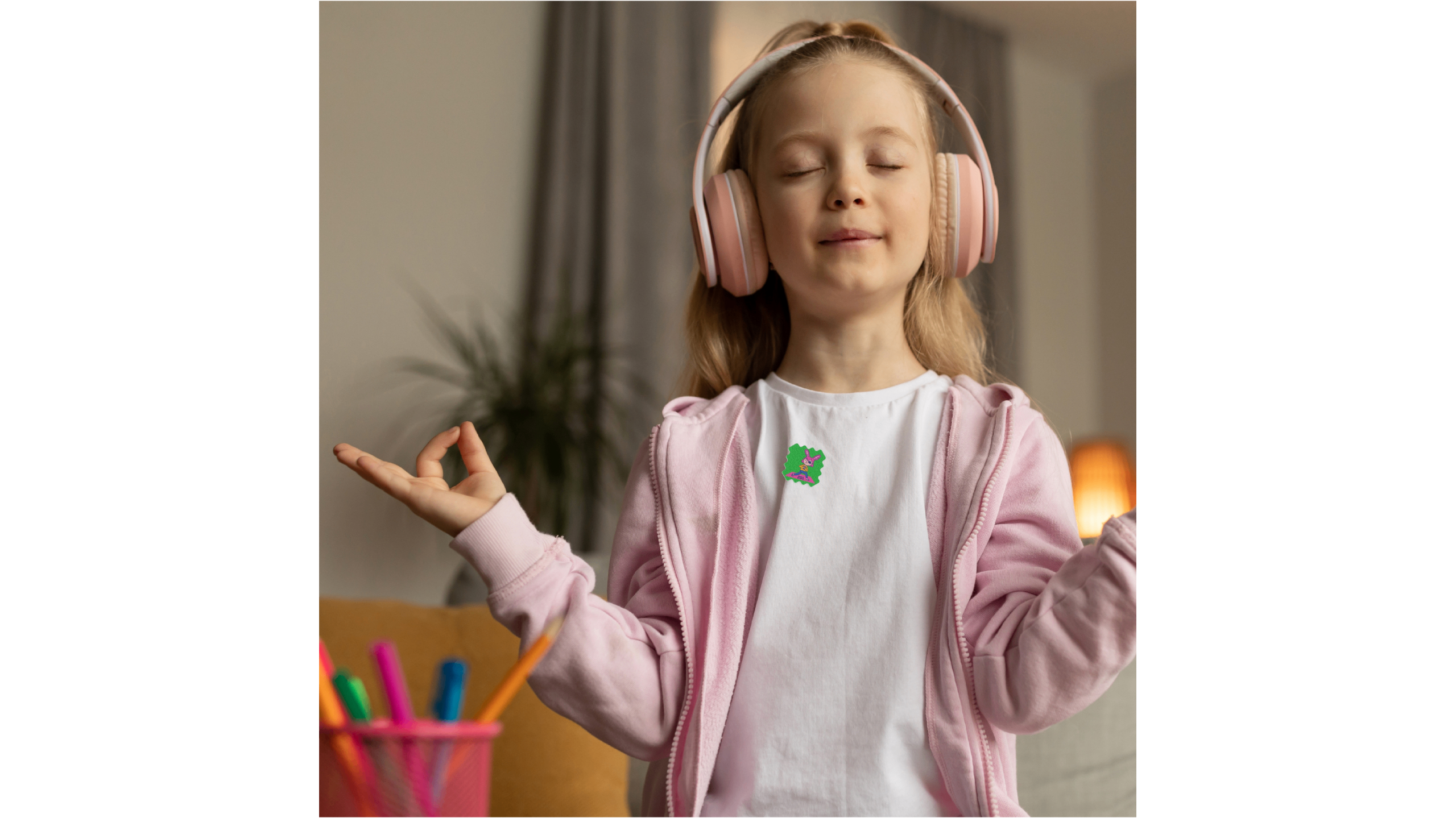
Key Takeaways
- Up to 20% of children experience anxiety, and it often shows up as physical complaints, irritability, or avoidance – not just visible worry.
- Simple tools like chamomile tea, belly breathing, and consistent sleep routines can meaningfully support calmer behavior in children dealing with anxiety or hyperactivity.
- Holistic approaches work best in combination – small, consistent changes tend to build on each other over time.
When a child is struggling with anxiety or can’t seem to settle down, reaching for a gentle, natural solution is a completely reasonable instinct. The good news: a growing body of evidence supports natural and lifestyle-based approaches that can make a real difference – and many of them are simple enough to start tonight.
Up to 20% of Children Experience Anxiety – And It Looks Different Than Expected
Significant anxiety affects up to 20% of children, making it one of the most common mental health challenges in childhood. Kids rarely say “I feel anxious.” Instead, anxiety tends to disguise itself.
Common signs to watch for include:
- Frequent stomachaches or headaches with no clear cause
- Trouble falling or staying asleep
- Clinginess or difficulty separating from caregivers
- Irritability, anger, or emotional outbursts
- Avoidance of activities, places, or social situations
- Difficulty concentrating or sudden drops in school performance
Anxiety in children can stem from academic pressure, family stress, genetic factors, or nutritional gaps. Recognizing how a child expresses anxiety is the critical first step – because the right intervention depends entirely on understanding what’s actually going on. For parents seeking non-pharmaceutical options, NatPat’s ZenPatch Mood Calming Stickers are one example of a wearable, everyday tool designed with that gentler approach in mind.
The Best Calming Teas for Kids
Herbal teas have been used for generations as a simple, soothing ritual – and some hold up to modern scrutiny reasonably well.
Chamomile: A Time-Honored Option
Chamomile is the most well-known calming herb for a reason. It has a long history of traditional use for restlessness and sleep troubles in children, and is also known to ease mild stomach discomfort – a useful quality since anxious kids often experience digestive upset. While clinical evidence on chamomile alone remains limited, its gentle profile and calming ritual make it a popular choice. A warm cup before bed can double as a soothing nighttime signal.
Lavender: For Wind-Down and Relaxation
Lavender tea is another gentle option with a calming effect on the body. It’s commonly used to help children wind down before sleep, and its scent alone has relaxing properties – making the tea experience itself part of the benefit, which may indirectly help with stress-related physical symptoms. Keep portions small and age-appropriate, and always check with a pediatrician before introducing any herb to a young child’s routine.
Deep Breathing Techniques That Actually Work
It sounds almost too simple – but deep breathing is one of the most evidence-backed tools for calming an anxious or overwhelmed child in the moment.
Belly Breathing With a Stuffed Animal
This technique is easy to teach young children. Have the child lie down and place a favorite stuffed animal on their belly. Guide them to breathe slowly and deeply, watching the animal rise and fall with each breath. It turns an abstract concept into a tangible, playful activity – and it works.
Why It Works: The Parasympathetic Response
Deep, diaphragmatic breathing increases oxygen to the brain and directly stimulates the parasympathetic nervous system – the part responsible for the “rest and digest” state. This physically counters the body’s stress response, lowering heart rate and reducing feelings of panic or overwhelm. With regular practice, children can learn to trigger this response on their own when anxiety spikes.
Mindfulness for Kids: Simple Techniques, Real Results
Mindfulness helps children slow down, observe their thoughts and feelings, and choose how to respond rather than reacting impulsively. Research supports mindfulness-based approaches for reducing anxiety and improving attention in kids.
The Five Senses Check-In
One of the most accessible techniques for children is the five senses grounding exercise. Walk the child through it step by step:
- 5 things they can see
- 4 things they can physically feel (fabric, floor, air temperature)
- 3 things they can hear
- 2 things they can smell (or would like to)
- 1 thing they can taste
This pulls a child’s attention back to the present moment, interrupting the spiral of anxious thinking. It takes under two minutes and can be used anywhere – at home, in the car, or right before school drop-off.
Movement as Medicine: Exercise and Yoga
Physical activity is one of the most powerful and underused tools for managing anxiety and hyperactivity in children. Research consistently shows that moderate and vigorous exercise significantly reduces anxiety and depression symptoms in young people – enough that experts argue it should be considered a core part of youth mental health care.
Best Activities for Anxious or Hyperactive Kids
Not every activity suits every child, but these tend to be especially effective:
- Yoga – Combines gentle movement, abdominal breathing, and mindfulness. Research on yoga, mindfulness, and meditation interventions for youth suggests these practices can support self-regulation and emotional well-being in children, including those with ADHD.
- Swimming – Rhythmic movement through water is often found to be a relaxing and beneficial activity for children, contributing to mood regulation.
- Nature hikes – Fresh air combined with physical activity is a reliable pairing for mood support.
- Dance, martial arts, or team sports – Build confidence and help channel excess energy productively.
Aim for at least 60 minutes of movement daily – it doesn’t have to happen all at once.
A Consistent Sleep Routine Breaks the Anxiety Cycle
Anxiety disrupts sleep. Poor sleep worsens anxiety. It’s a cycle that’s hard to interrupt – but a consistent bedtime routine is one of the most reliable ways to do it.
Keep the routine the same each night: a warm bath, a calming story, gentle stretching or belly breathing, and lights out at the same time. Keep the bedroom dark, cool, and quiet – this environment supports the brain’s natural melatonin production. A cup of chamomile or lavender tea in the evening can serve double duty as both a calming signal and a sleep-friendly ritual. Screens off at least an hour before bed is non-negotiable for children dealing with anxiety or sleep issues.
Holistic Tools Work Best Together – Start Small Tonight
None of these strategies work in isolation as powerfully as they do in combination. Belly breathing after a cup of chamomile tea, followed by a consistent bedtime – those layers compound. The goal isn’t to overhaul everything at once; it’s to pick one or two changes, stay consistent, and build from there.
Start with what feels most manageable: a new bedtime ritual, five minutes of the five senses check-in, or a daily walk outside. Small, sustained changes are far more effective than a perfect plan that falls apart after a week. Over time, these habits become the foundation of a calmer, more resilient child – and a calmer household.
For parents looking to find a broader range of gentle, natural tools for children’s mood and stress support, NatPat offers a line of kid-friendly wellness products designed to complement exactly this kind of holistic approach.
*Disclaimer:This article is for general informational purposes only and is not intended as medical advice. Always consult a healthcare provider before starting any new treatment, remedy, or product, especially if you have allergies, sensitive skin, or an existing medical condition. For more information,visit NatPat.
NatPat
Melbourne
Melbourne
Victoria
3000
Australia


