Leading Odessa, TX, plumbers explain what backflow is and why routine backflow testing is important.
Odessa, United States – April 29, 2026 / The Darville Company /
The Importance of Backflow Prevention and Testing
Clean, safe water flowing in the right direction through a home’s plumbing system is something most people take for granted, yet that reliability depends on more than just water pressure and good pipes. Backflow is a plumbing condition that can silently compromise an entire water supply, and without the right prevention devices and routine backflow testing in place, the consequences can range from plumbing damage to serious public health concerns. Understanding what backflow is, how testing works, and why both are critical to a functioning plumbing system is the foundation of responsible property ownership and water safety.
What Is Backflow?
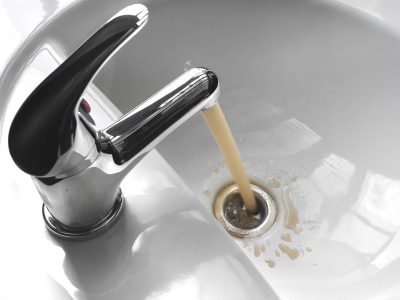 Backflow is the unwanted reversal of water flow within a plumbing system, where water that should be moving away from the property toward the municipal sewer or drainage system instead flows backward into the clean water supply. This reversal typically occurs because of a sudden change in water pressure, such as a drop in supply pressure caused by a water main break, heavy municipal demand, or firefighting activity drawing large volumes of water from the public system. When that pressure drop occurs, contaminated water from irrigation systems, toilets, chemical lines, or other non-potable sources can be pulled back into the pipes that supply drinking water to homes and businesses.
The dangers of backflow extend far beyond an inconvenience, as the contaminants that can enter a water supply through a backflow event include pesticides, fertilizers, bacteria, sewage, and industrial chemicals, depending on what is connected to the plumbing system. Once those contaminants enter the potable water supply, every tap, appliance, and fixture connected to that supply becomes a potential point of exposure for the occupants of the building and, in connected systems, potentially the broader community. The invisible nature of water contamination makes backflow particularly dangerous, because the water may look, smell, and taste normal even as it carries substances that pose a genuine risk to human health.
Backflow events are not rare theoretical occurrences reserved for industrial facilities or aging infrastructure, as they can happen in any residential or commercial property where plumbing connects to irrigation, pools, fire suppression systems, or other water-using equipment. The plumbing code requires backflow prevention devices in these situations precisely because the risk is real and well-documented across properties of every age and type. Recognizing that backflow is a genuine plumbing hazard rather than an abstract concern is the starting point for taking the protective measures that keep a water supply safe.
What Is Backflow Testing?
Backflow testing is the professional inspection and evaluation of a property’s backflow prevention devices, which are the mechanical assemblies installed in plumbing systems to stop contaminated water from reversing direction and entering the potable water supply. A certified backflow tester uses specialized gauges and equipment to assess whether the device’s internal check valves, relief valves, and seals are operating within the tolerances required to stop a backflow event under real pressure conditions. The test confirms not just that the device is present, but that it is actually capable of performing its protective function when a pressure change or back-siphonage event occurs.
Backflow prevention devices should be tested at least once annually because these assemblies are mechanical components subject to wear, mineral buildup, corrosion, and seal degradation that can compromise their performance over time without producing any visible symptoms. A device that passed inspection last year may have developed a failing check valve or a compromised seal in the months since, and without testing, that deterioration goes undetected until a backflow event puts the device to the test under real-world conditions. Annual testing closes that gap by ensuring the device is verified as functional on a regular schedule rather than assumed to be working based on its presence alone.
Many municipalities and water authorities require annual backflow testing by ordinance and mandate that the results be submitted by a certified tester to confirm compliance with local water safety regulations. These requirements exist because backflow prevention is not just a private property concern but a public health infrastructure issue, as contamination that enters a building’s water supply can, in some cases, reach the public water main and affect a much wider population. Staying current with annual backflow testing keeps a property compliant with local codes while fulfilling a broader responsibility to the safety of the water system that the entire community shares.
The Importance of Routine Backflow Testing
 Routine backflow testing delivers one of its most immediate benefits by confirming that the backflow preventer installed on a property is actually functioning as designed, catching any internal failures, worn components, or calibration issues before they become a liability during a real pressure event. A backflow prevention device that appears intact from the outside may have check valves that no longer seat properly or springs that have weakened to the point where they cannot hold against reverse pressure, and only a proper pressure test with calibrated equipment can reveal those hidden deficiencies. Identifying and correcting those issues through annual testing ensures that the protective device does its job at the exact moment the plumbing system needs it most.
Beyond verifying device performance, routine backflow testing helps protect the plumbing infrastructure itself from the kind of damage that contaminated or chemically altered water can cause when it flows in the wrong direction through pipes, fixtures, and appliances not designed to handle those substances. Backflow events that go undetected can introduce corrosive materials, sediment, or biological contaminants into water heaters, supply lines, and fixtures, accelerating deterioration and leading to costly repairs that could have been prevented with proper backflow management. A plumbing system that is protected by a tested and verified backflow preventer is a system that is far less vulnerable to the compounding damage that contamination and reverse flow can cause over time.
At the broadest level, the most important benefit of routine backflow testing is the protection it provides for human health, because contaminated water reaching drinking taps, ice makers, or cooking water sources creates a direct pathway for illness in the people who consume it. Waterborne pathogens, chemical contaminants, and sewage byproducts that enter a potable water supply through a backflow event can cause serious gastrointestinal illness, chemical poisoning, or long-term health effects depending on the nature and duration of the contamination. Committing to annual backflow testing is ultimately a commitment to the safety of everyone who relies on that water supply, and partnering with experienced plumbing professionals to carry out that testing is the most reliable way to make sure the protection in place is protection that actually works.
About The Darville Company
The Darville Company is a full-service plumbing, heating, and air conditioning company serving Odessa, TX, and beyond. They offer straightforward pricing, on-time service, and the latest technology. Call them today for backflow testing in Odessa, TX.


Contact Information:
The Darville Company
3706 N County Road West
Odessa, TX 79764
United States
The Darville Company
(432) 580-9675
https://darvilleco.com/


